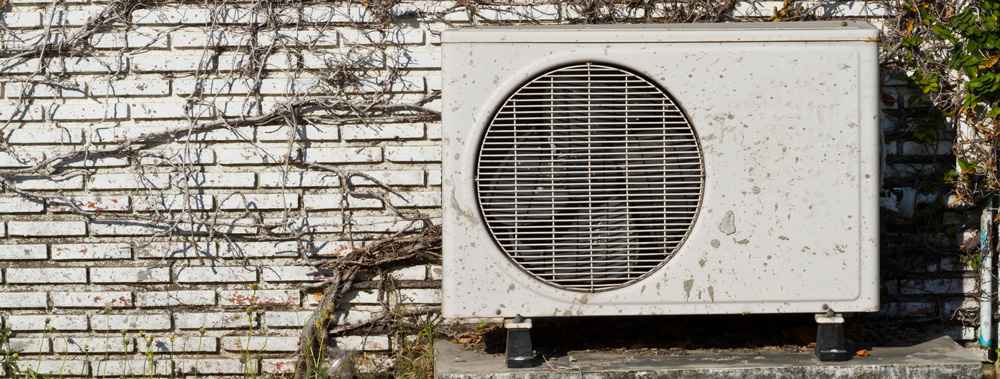
We’re pretty used to our creature comforts here in the US, and air conditioning has become more of an expectation than a luxury. In fact, around 85% of homes in America have air conditioning. Unfortunately, most air conditioning units (and refrigerators) use chemicals that are extremely harmful to our environment.
In early March of 2015, as part of President Obama’s Climate Action Plan, the Environmental Protection Agency approved an expanded list of more climate-friendly refrigerants for air conditioners and refrigerators. Why was this necessary? At the moment, most refrigerants are made up of hydrofluorocarbons (HFCs), which emit heat-trapping gases during manufacture, leakage, or disposal. While HFCs are much safer for the ozone than their predecessor R22 (commonly known by the brand name Freon), they are still 10,000 times as potent as carbon dioxide and are quite damaging to the planet.
The five new chemicals approved by the EPA–ethane, isobutane, propane, hydrocarbon blend R-441A, and difluoromethane (HFC)-32–pose much less of a threat to the environment. For comparison purposes, the global warming potential (GWP) of these newly approved chemicals range from 3 to 675 GWPs, as opposed to 1400 to 4000 GWPs in the older compounds they will replace.
What does this mean for you? Not much…at least, not at the moment. These changes mostly affect the manufacturing side of the HVACR industry, and prices for the consumer are not expected to increase much, if at all. If you are concerned about this issue, or wish to learn about replacing your current refrigerant with a cleaner alternative, contact your Appel Heating & Air Conditioning technician to find out more about your options.